Everything About Sugar Beet Vs Sugar Cane: Which One Provides Greater Perks and Makes Use Of?
The contrast in between sugar beet and sugar cane presents a nuanced expedition of their respective advantages and applications. Each crop has distinct nutritional accounts and growing conditions that influence their use in various markets. As consumer preferences shift in the direction of healthier alternatives, the importance of these 2 sources of sugar ends up being increasingly significant. Understanding their differences might expose insights right into which may eventually offer much better in a transforming market landscape. What variables will form this ongoing debate?
Introduction of Sugar Beet and Sugar Cane
Sugar beet and sugar cane are 2 primary sources of sugar, each with distinct attributes and advantages. Sugar beet, a root plant mostly grown in warm climates, is recognized for its high sucrose material, which can vary from 15% to 20%. This crop is usually refined right into granulated sugar, molasses, and various other results. Its farming permits a shorter growing season and less dependence on exotic climates.
In comparison, sugar cane flourishes in warmer, tropical regions and is often related to for its coarse stalks, which can produce 10% to 15% sucrose. The handling of sugar cane not just creates sugar but additionally results in items like rum and ethanol, making it versatile. Both plants contribute significantly to the international sugar market, with their distinct growing problems and handling approaches influencing their farming and financial significance. Ultimately, the choice in between sugar beet and sugar cane typically relies on local environments and market demands.
Nutritional Profiles: Sugar Beet Vs Sugar Cane
The dietary accounts of sugar beet and sugar cane expose significant distinctions in their nutrient structures. Sugar beet tends to supply a greater concentration of minerals and vitamins, while sugar cane largely offers energy in the form of carbohydrates. Furthermore, the glycemic index of these 2 sources varies, affecting their effects on blood sugar degrees.
Nutrient Structure Contrast
When contrasting the nutrient composition of sugar beet and sugar cane, distinctive differences emerge that can affect nutritional choices. Sugar beetroots are known for their higher fiber material, offering around 2 grams of fiber per 100 grams, while sugar cane has very little fiber (Sugar beet vs sugar cane). Regarding vitamins, sugar beets supply a series of B vitamins, especially folate, which sustains cellular wellness, whereas sugar cane has fewer vitamins overall. Furthermore, sugar beets flaunt a greater mineral web content, including potassium and magnesium, vital for different physical functions. Sugar cane largely offers carbohydrates, specifically sucrose, but lacks the nutrient thickness located in sugar beets. These distinctions highlight the nutritional benefits of sugar beetroots compared to sugar cane in a balanced diet regimen
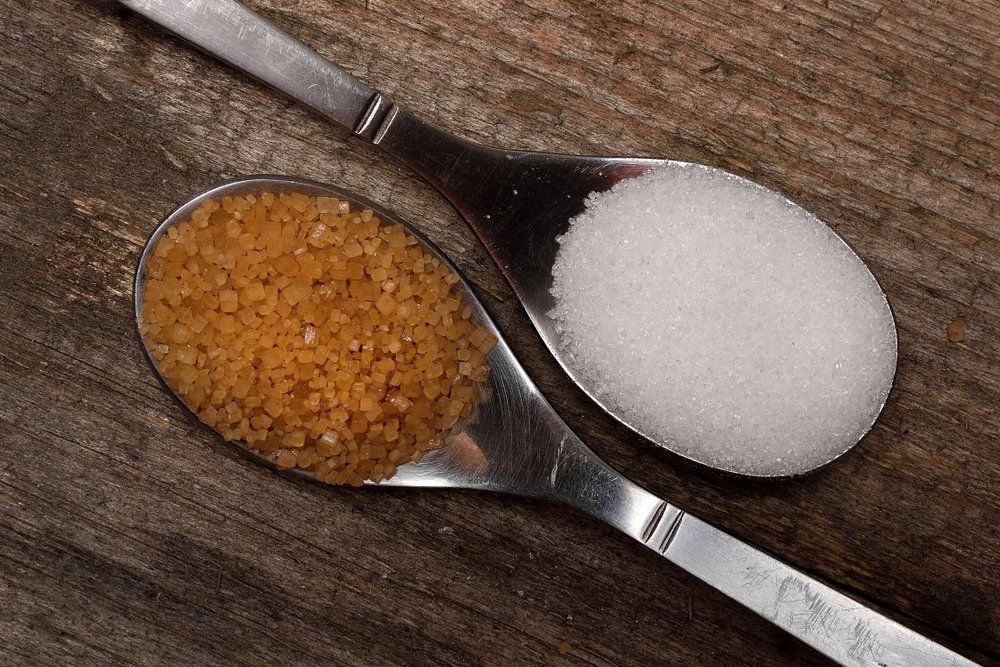
Glycemic Index Differences
Just how do sugar beetroots and sugar cane differ in their glycemic index, and what effects does this have for people checking their blood sugar degrees? Sugar beetroots usually have a lower glycemic index (GI) contrasted to sugar cane, which means they cause a slower and more steady increase in blood sugar levels. This distinction is especially crucial for individuals with diabetic issues or those worried concerning blood glucose administration. A reduced GI food can assist preserve steadier power degrees and decrease the risk of insulin spikes. While both resources are mainly composed of sucrose, the differing fiber and nutrient content in sugar beetroots may contribute to their reduced GI, making them a potentially much better alternative for health-conscious consumers.
Expanding Problems and Geographic Circulation
Both sugar beet and sugar cane offer as crucial sources of sugar, their growing problems and geographical circulation vary substantially. Sugar cane flourishes in exotic and subtropical environments, requiring cozy temperature levels, bountiful sunlight, and substantial rainfall. It is mainly grown in countries such as Brazil, India, and China, where these ecological factors are suitable. Sugar beet vs sugar cane. On the other hand, sugar beet likes pleasant climates, growing in cooler areas with well-drained soil. Significant producers of sugar beet include the USA, Russia, and numerous European countries, where the expanding season straightens with cooler temperature levels
The distinctions in climate requirements lead to differing cultivation practices; sugar cane is typically expanded as a seasonal crop, while sugar beet is typically planted each year. This geographical difference not only influences regional farming economies yet likewise shapes local methods connected to sugar production and handling. Comprehending these factors is necessary for assessing the advantages and applications of each resource.
Environmental Influence of Sugar Beet and Sugar Cane Production
While both sugar beet and sugar cane add considerably to worldwide sugar manufacturing, their ecological influences vary substantially. Sugar cane farming frequently demands large areas of land and water, causing deforestation and habitat loss in some regions. Furthermore, using plant foods and pesticides in sugar visit this website cane farming can lead to dirt destruction and water air pollution. Conversely, sugar beet is normally grown in cooler climates and needs much less water, which might lower the stress on local water resources. Nonetheless, extensive farming methods connected with sugar beet can additionally bring about dirt disintegration and nutrient deficiency. The handling of both plants produces waste, but sugar cane has a higher potential for by-products, such as bioenergy, which can mitigate some ecological influences. Eventually, the sustainability of each plant largely depends upon farming techniques and local management techniques used throughout the production cycle.
Handling Methods and Performance
Handling methods for sugar beet and sugar cane vary substantially, affecting overall effectiveness and return. Sugar beets undertake a procedure that includes cleaning, cutting, and extracting juice via diffusion or pressing. The juice is after that cleansed, concentrated, and crystallized, leading to granulated sugar. This approach is generally reliable, with a high sugar extraction rate.
In comparison, sugar cane processing entails crushing the cane to remove juice, followed by explanation and dissipation. The juice is after that steamed to generate sugar crystals. While both approaches work, sugar cane processing can be extra labor-intensive and time-consuming because of the larger range of operations and the requirement for much more extensive tools.
Sugar beet processing typically results in a greater sugar content per bunch contrasted to sugar cane, making it a much more efficient option in particular regions. In general, the choice of processing approach influences not only the return but additionally the financial viability of sugar production.
Applications in the Food Sector
In the food sector, sugar beet and sugar cane offer unique roles in sweetener production. Each resource offers unique attributes that affect their culinary applications, from baked items to drinks. Understanding these differences can aid producers and chefs in choosing the most suitable active ingredient for their requirements.
Sugar Production Distinctions
Although both sugar beet and sugar cane work as necessary sources for sugar manufacturing, their applications in the food market vary significantly. Sugar cane is largely connected with creating raw sugar and molasses, which are extensively made use of in beverages, confections, and baked goods. Its juice is also fermented to produce rum. Conversely, sugar beet is mostly processed into refined sugar, which is favored in the production of granulated sugar and numerous other sugar. The removal process for sugar beet is extra straightforward, enabling greater returns of white sugar. In addition, sugar beet's convenience makes it possible for the development of alternative sugar, such as beet syrup. These distinctions highlight the unique functions each resource plays in meeting the varied needs of the food industry.
Culinary Uses Comparison
Cooking applications of sugar beet and sugar cane reveal distinct choices among chefs and food suppliers. Sugar cane, frequently regarded as the conventional sweetener, is favored in a variety of products, consisting of syrups, molasses, and drinks like rum. Click This Link Its all-natural taste matches desserts, marinades, and sauces. Conversely, sugar beet, used mainly in granulated sugar type, is frequently integrated right into baked products, sweets, and processed foods. Its neutral flavor profile permits it to blend effortlessly into various dishes. Additionally, sugar beet is obtaining grip in organic and non-GMO markets, appealing to health-conscious customers. Ultimately, the option between sugar beet and sugar cane depends webpage upon certain culinary applications, flavor choices, and market patterns within the food sector.
Health Considerations and Consumer Preferences
A growing number of consumers are significantly familiar with the wellness implications connected with sugar resources, leading to an eager rate of interest in the benefits of sugar beet versus sugar cane. Both sugar sources have distinctive nutritional accounts that might influence consumer options. Sugar beets often tend to consist of slightly more fiber and necessary nutrients, which can interest health-conscious individuals. On the other hand, sugar cane is often regarded as a more natural and less processed alternative, potentially attracting those looking for organic or raw products.
The increasing appeal of different sugar has prompted customers to inspect conventional sugars much more very closely (Sugar beet vs sugar cane). Understanding of extreme sugar intake's wellness dangers, such as weight problems and diabetes mellitus, has actually sustained a need for openness regarding the beginnings and handling techniques of sweeteners. Ultimately, specific preferences continue to shape the discussion in between sugar beet and sugar cane, mirroring a more comprehensive trend in the direction of much healthier eating habits and informed consumerism
Often Asked Concerns
What Are the Historic Usages of Sugar Beet and Sugar Cane?
Historically, sugar beet and sugar cane have acted as primary sources of sugar. Sugar cane, cultivated for centuries in exotic regions, supplied sugar, while sugar beet arised in Europe throughout the 18th century, improving regional sugar production.

How Do Sugar Beet and Cane Affect Resident Economies?
Sugar beet and sugar cane significantly influence neighborhood economies with work production, agricultural efficiency, and trade. Their growing fosters country growth, sustains neighborhood organizations, and generates tax profits, ultimately boosting neighborhood sustainability and economic durability.
Are There Any Type Of Social Value Distinctions Between Sugar Beet and Cane?
Cultural importance varies between sugar beet and sugar cane. Sugar cane often stands for exotic heritage and conventional methods, while sugar beet is connected with agricultural advancement and automation, reflecting different local identifications and historical contexts in their manufacturing.
What Are the Main Vermin Affecting Sugar Beet and Sugar Cane?
The major insects influencing sugar beet include aphids and origin maggots, while sugar cane deals with risks from borers and planthoppers. Both plants need cautious administration to mitigate damages and guarantee healthy yields.
Exactly How Do Climate Adjustments Effect Sugar Beet and Sugar Cane Growing?
Climate adjustments considerably impact sugar beet and sugar cane cultivation by altering development conditions, changing pest populaces, and affecting water schedule. These aspects can reduce returns and influence overall farming sustainability in affected regions.